
Summer can be the season that exposes weak plant choices. Beds that looked great in spring may start to fade, dry out, or feel tired once the heat settles in. For homeowners in the Lee’s Summit area, that is one reason native plants can be such a smart addition to the landscape. Many native plants are naturally better suited to Missouri conditions, which makes them a strong option for adding color, texture, and long-term performance through the hottest part of the season.
A well-designed landscape does not just need plants that survive. It needs plants that continue to look good, support the overall design, and fit the way you want the yard to function. Native plants can help do all three.
If you are looking for plant ideas that hold up well through summer, here are some of the best native plants to consider for the Lee’s Summit area.
Why native plants work so well in summer
One of the biggest advantages of native plants is that they are adapted to local conditions. In Missouri landscapes, that often means better performance during stretches of heat, dry weather, and seasonal ups and downs. Many native plants also need less water once established and can support pollinators at the same time.
That does not mean every native plant belongs in every yard. The best results still come from choosing plants that match the sun, moisture, scale, and style of the property. But when used thoughtfully, native plants can help create a summer landscape that feels more resilient and easier to maintain.
Butterfly weed for sunny, dry areas
Butterfly weed is one of the best native choices for bright summer color in sunny spots. Its orange blooms stand out in planting beds and pair well with both modern and more natural-looking landscape designs. It is especially useful in areas where you want strong color without relying on high-maintenance annuals.
It also adds pollinator value, which gives it both visual and ecological appeal.
Purple coneflower for long-lasting summer interest
Purple coneflower is a classic for a reason. It brings reliable summer color, works well in mixed planting beds, and blends easily with ornamental grasses and other perennials. It can feel natural in a pollinator garden, but it can also look polished when it is grouped intentionally in a designed landscape.
For homeowners who want a plant that feels familiar, sturdy, and easy to work into many styles, purple coneflower is one of the strongest options.
Black-eyed Susan for bright color and durability
If you want cheerful summer color, black-eyed Susan is hard to overlook. Its golden blooms can brighten up front-yard beds, side gardens, and naturalized spaces. It is especially effective when planted in groups rather than as single scattered plants.
Black-eyed Susan works well as part of a layered planting plan where you want a dependable mid-height plant that helps carry color through summer.
Prairie blazing star for vertical texture
Prairie blazing star adds a different look than many traditional landscape flowers. Its upright blooms create height and structure, which helps break up more rounded plant forms in a bed. That makes it useful when a landscape needs more visual movement and contrast.
It is a good choice for homeowners who want a native planting that feels a little more distinctive while still fitting naturally into a Missouri landscape.
Little bluestem for movement and structure
Summer landscapes need more than flowers. They also need texture, shape, and movement. Little bluestem is one of the best native grasses for that job. It adds softness and structure during the growing season and continues to bring interest later in the year as the color changes.
In a professionally designed landscape, grasses like little bluestem can help tie together flowering plants, soften hardscape edges, and keep beds from feeling flat.
Swamp milkweed or buttonbush for wetter areas
Not every yard has the same conditions. Some properties have lower spots or bed areas that stay wetter after rain. In those spaces, plants like swamp milkweed or buttonbush may be a better fit than dry-site natives.
Using the right native plant in the right place is one of the keys to a successful summer landscape. A plant that thrives in full sun and drier soil may struggle in a wetter bed, while moisture-tolerant natives can turn those conditions into an advantage.
Design matters just as much as plant choice
Even the best plants can look messy if they are placed without a plan. Native landscapes usually work best when plants are grouped with intention, layered by height, and chosen for more than one season of interest. A landscape should not feel random. It should feel cohesive.
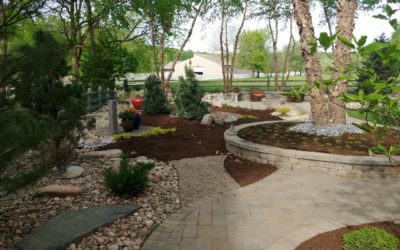
That is especially important in residential spaces where homeowners want native plants to look clean, attractive, and professionally designed rather than overgrown or unstructured. A good design can combine native flowers, grasses, shrubs, and hardscape elements in a way that feels both natural and polished.
A smart long-term choice for Lee’s Summit homeowners
For many homeowners in the Lee’s Summit area, native plants make sense because they do more than fill a bed for one season. They can reduce the need for extra watering, support pollinators, and create a landscape that is better suited to local weather patterns over time.
Summer is a great time to notice where a landscape is struggling and where a more durable plant palette could make a difference. Whether you want to refresh a few planting beds or rethink the entire design, native plants can be a strong part of that solution.
Ready to build a better summer landscape?
At Evolving Landscapes, we help homeowners create outdoor spaces that are both beautiful and practical. If you are interested in using native plants that thrive in summer in the Lee’s Summit area, our team can help you choose the right mix for your property and build a landscape that looks strong all season long.
Contact Evolving Landscapes today to start planning your next landscape update.
Frequently Asked Questions
Why are native plants a good choice for summer in the Lee’s Summit area?
Native plants are often better adapted to Missouri weather patterns, including summer heat and periods of dry weather.
Do native plants need less water?
Many native plants need less supplemental water once they are established, especially when they are matched to the right site conditions.
What are some good native plants for sunny summer beds?
Butterfly weed, purple coneflower, black-eyed Susan, prairie blazing star, and little bluestem are all strong options for sunny areas.
Can native plants still look polished in a residential landscape?
Yes. With the right design, native plants can look clean, intentional, and well suited to a front yard or backyard landscape.
Are native plants good for pollinators?
Yes. Many native plants help support pollinators such as bees and butterflies.
What if my yard has both dry and wet areas?
That is where planning matters. Different native plants perform better in different conditions, so plant selection should match the sun and moisture levels in each area of the yard.
Do native plants work with hardscaping and outdoor living areas?
Yes. Native flowers, shrubs, and grasses can be used alongside patios, walkways, retaining walls, and other hardscape elements to create a balanced landscape design.
Can Evolving Landscapes help design a native landscape?
Yes. Evolving Landscapes can help homeowners choose native plants that fit their property, style, and maintenance goals.